
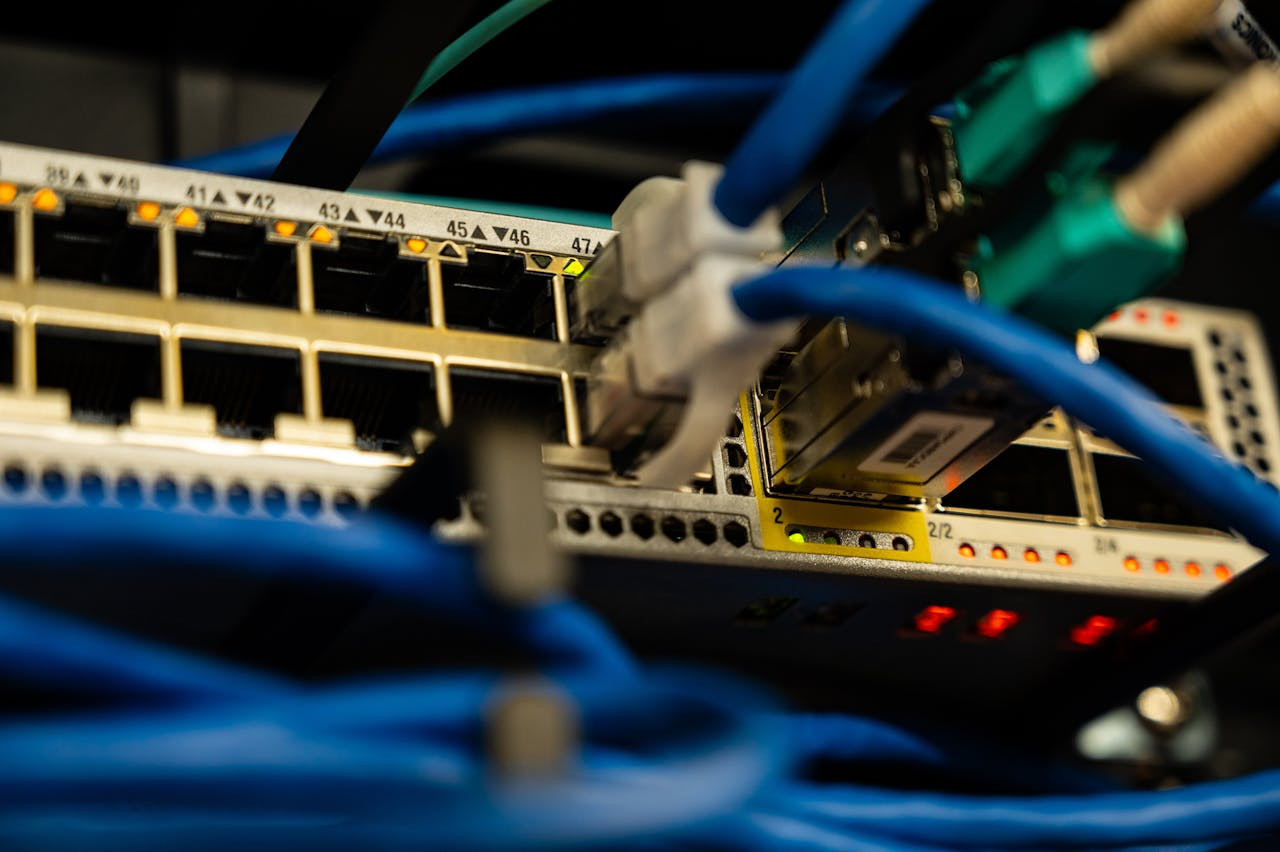
This course provides a comprehensive foundation in modern networking. Students will learn how to install, operate, configure, and verify basic IPv4 and IPv6 networks. The curriculum covers everything from physical cabling to software-defined networking (SDN) and the basics of automation.

🔑 Key Learning Modules

  1. Network Fundamentals (20%): Routers, switches, cabling, TCP/UDP, and IPv4/IPv6 addressing.

  2. Network Access (20%): Configuring VLANs, Spanning Tree Protocol (STP), EtherChannel, and Wireless LANs (WLAN).

  3. IP Connectivity (25%): IP routing, OSPFv2 (Single Area), and static routing.

  4. IP Services (10%): NAT, DHCP, DNS, SNMP, and Quality of Service (QoS).

  5. Security Fundamentals (15%): Port security, Access Control Lists (ACLs), VPNs, and wireless security (WPA3).

  6. Automation & Programmability (10%): Introduction to SDN, APIs (REST), and configuration management tools (Terraform/Ansible).

This course provides a comprehensive foundation in modern networking. Students will learn how to install, operate, configure, and verify basic IPv4 and IPv6 networks. The curriculum covers everything from physical cabling to software-defined networking (SDN) and the basics of automation.

Key Learning Modules

  1. Network Fundamentals (20%): Routers, switches, cabling, TCP/UDP, and IPv4/IPv6 addressing.

  2. Network Access (20%): Configuring VLANs, Spanning Tree Protocol (STP), EtherChannel, and Wireless LANs (WLAN).

  3. IP Connectivity (25%): IP routing, OSPFv2 (Single Area), and static routing.

  4. IP Services (10%): NAT, DHCP, DNS, SNMP, and Quality of Service (QoS).

  5. Security Fundamentals (15%): Port security, Access Control Lists (ACLs), VPNs, and wireless security (WPA3).

  6. Automation & Programmability (10%): Introduction to SDN, APIs (REST), and configuration management tools (Terraform/Ansible).